

Audemars Piguet's Fearless Creativity
Audemars Piguet is known for its daring innovation, constantly testing the limits of what a luxury watch can look like. Most famously was the introduction of the Royal Oak with its striking octagonal bezel which came out in 1972. The brand's broader willingness to experiment with materials, designs and manufacturing methods truly captivates collectors.
Audemars Piguets are designed to catch people's attention and start conversations.

The Royal Oak Revolution
When Gérald Genta designed the Royal Oak in 1972, he created more than just a watch—he established a new category of luxury sports watches. The Royal Oak's integrated bracelet, exposed screws, and "Grande Tapisserie" dial pattern became instantly recognizable. This bold departure from traditional dress watches proved that luxury timepieces could be both sporty and sophisticated.
Material Innovation
Audemars Piguet has consistently pushed boundaries with materials. From ceramic and titanium to forged carbon and tantalum, the brand explores how different materials can enhance both aesthetics and performance. The Royal Oak Offshore collection, introduced in 1993, further amplified this experimental spirit with larger cases and more robust construction.

Modern Collections
Beyond the Royal Oak, Audemars Piguet's Code 11.59 collection showcases the brand's ability to blend traditional round cases with contemporary design elements. The Millenary collection features distinctive oval cases that demonstrate the brand's commitment to unique form factors. Each collection maintains AP's signature of bold design while respecting horological tradition.
Design Language
Audemars Piguet watches are characterized by their architectural approach to design. The interplay between brushed and polished surfaces, the precision of case finishing, and the integration of bracelet to case all reflect a modernist sensibility. These watches are meant to be noticed, appreciated, and discussed.
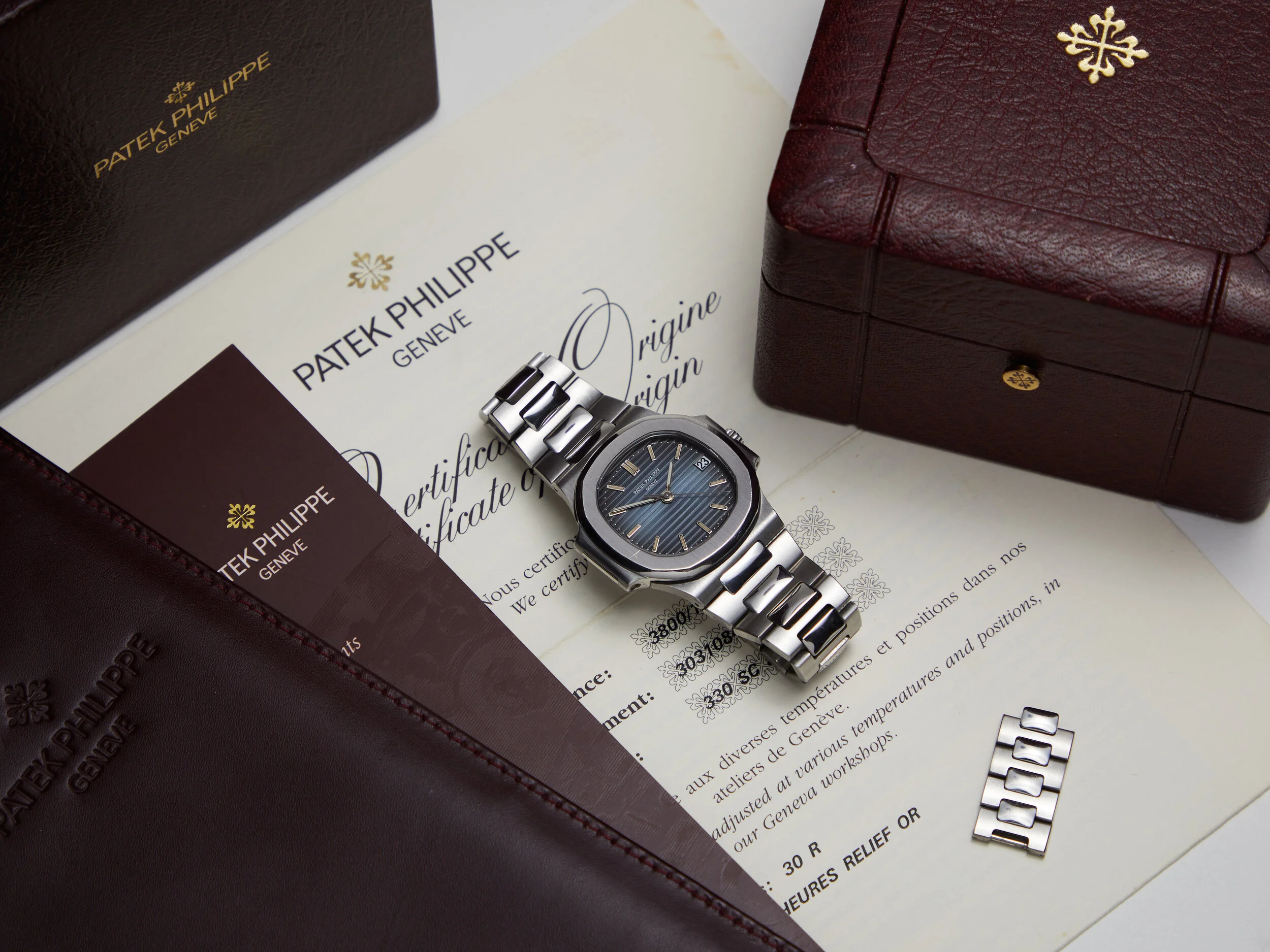
Patek Philippe's Traditional Excellence
Patek Philippe takes a more traditional route, but that tradition is precisely what sets them apart. Since 1839, they've honed the art of classic watchmaking to a remarkable standard.
"You never actually own a Patek Philippe; you merely look after it for the next generation"
This well-known adage captures their devotion to the artistry that endures forever.
Think perpetual calendars that account for leap years without fuss or minute repeaters with chimes that sound like a miniature orchestra. Patek Philippe resonates with those drawn to understated elegance and the idea of passing down an expertly crafted mechanical watch.
Mastery of Complications
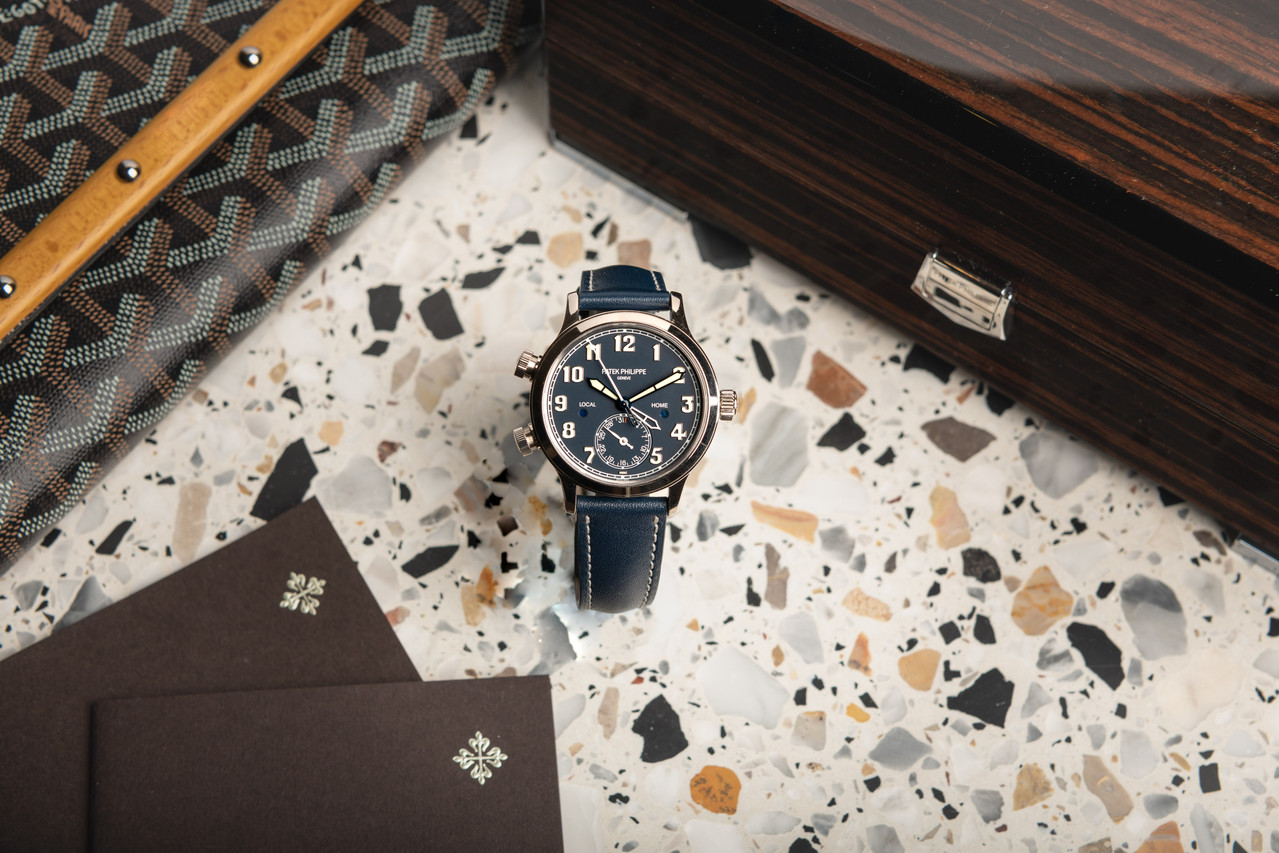
Patek Philippe's expertise in complications is unparalleled. The brand has created some of the most complex watches ever made, including the Caliber 89 with 33 complications and the Grandmaster Chime with 20 complications. Their perpetual calendars are legendary for their precision, automatically accounting for leap years and month lengths. The minute repeater mechanisms produce chimes that rival musical instruments in their clarity and harmony.
Iconic Collections
The Nautilus, designed by Gérald Genta in 1976, represents Patek Philippe's interpretation of the luxury sports watch. Unlike the Royal Oak's bold angularity, the Nautilus features softer, more organic lines inspired by portholes. The Aquanaut, introduced in 1997, offers a more accessible entry point while maintaining Patek's exacting standards. The Calatrava collection embodies pure dress watch elegance, with its clean lines and timeless proportions.
Heritage & Craftsmanship
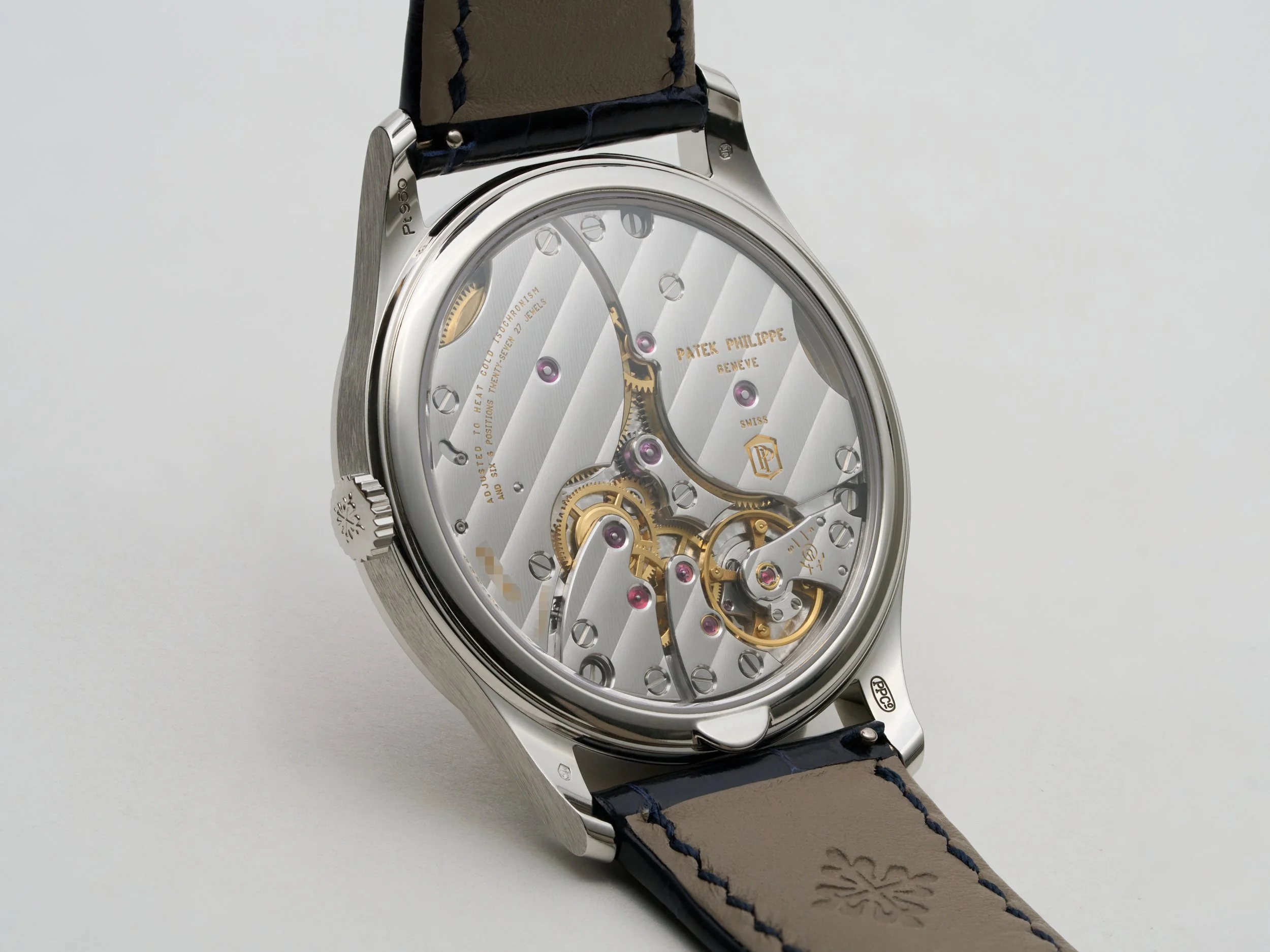
Every Patek Philippe watch is assembled by hand, with movements that are finished to perfection. The brand maintains its own manufacture, controlling every aspect of production from movement design to case finishing. This vertical integration ensures that every component meets their exacting standards. The attention to detail extends to the smallest elements—even parts that will never be seen are finished to perfection.
Understated Elegance
Patek Philippe watches speak through their craftsmanship rather than their appearance. The brand's design philosophy favors subtlety over spectacle. A Patek Philippe watch may not immediately catch the eye, but upon closer inspection, the quality becomes apparent. This understated approach appeals to those who appreciate refinement over recognition.
Contrasting Design Philosophies
The fundamental difference between Audemars Piguet and Patek Philippe lies in their approach to design. Audemars Piguet embraces bold, architectural forms that make a statement. The Royal Oak's distinctive bezel, the Code 11.59's octagonal middle case, and the Millenary's oval shape all demonstrate a willingness to break from convention.
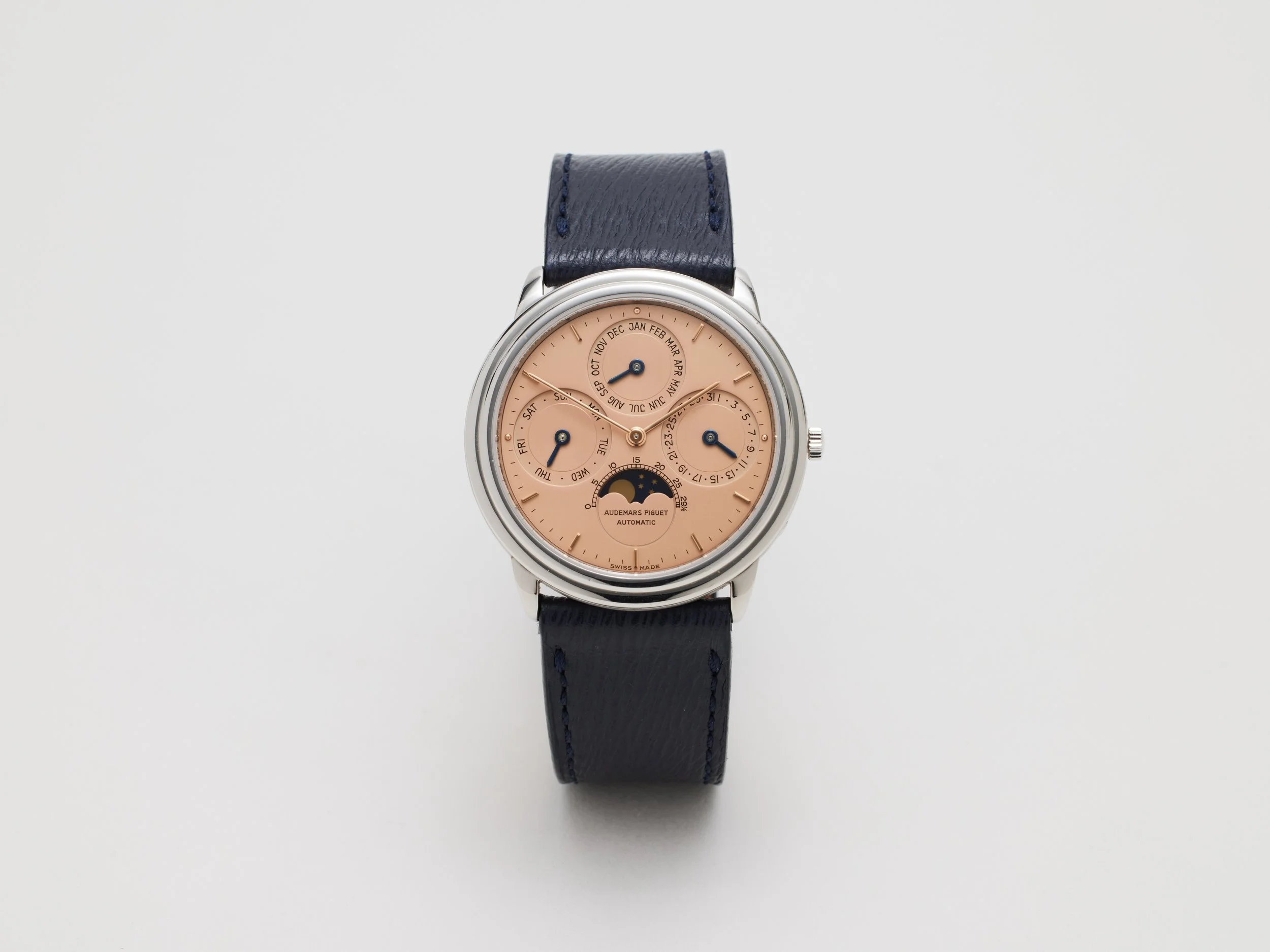
Patek Philippe, conversely, adheres to classical proportions and timeless elegance. Even their sports watches, like the Nautilus, maintain a refined aesthetic. The brand's design language is one of restraint and refinement, where beauty lies in perfect execution rather than radical innovation.
This contrast extends to their finishing techniques. Audemars Piguet often uses dramatic contrasts between brushed and polished surfaces to create visual interest. Patek Philippe's finishing is more subtle, with transitions so smooth they're almost imperceptible, yet no less impressive upon close examination.
Innovation Through Different Lenses
Both brands are innovators, but they innovate in different ways. Audemars Piguet pushes boundaries in materials science and case construction. Their use of ceramic, carbon, and other advanced materials demonstrates a forward-thinking approach to watchmaking. The brand's willingness to experiment with case shapes and sizes shows a commitment to exploring new possibilities.

Patek Philippe's innovation focuses on mechanical complexity and precision. The brand has developed numerous proprietary mechanisms, from their Gyromax balance to their Spiromax balance spring. Their research into chronometry and complications has resulted in some of the most accurate and complex watches ever created.
While Audemars Piguet innovates in form and materials, Patek Philippe innovates in function and precision. Both approaches are valid, but they serve different purposes and appeal to different sensibilities.
Collectibility and Market Presence
Both brands command significant respect in the collector community, but for different reasons. Audemars Piguet's Royal Oak has become one of the most recognizable and sought-after watches in the world. The brand's limited production and bold designs create strong demand, particularly for special editions and unique materials.
Patek Philippe holds a unique position as perhaps the most prestigious watch brand in the world. Their watches often appreciate in value, with vintage pieces commanding extraordinary prices at auction. The brand's reputation for quality and their relatively limited production create a market where demand consistently exceeds supply.
The secondary market for both brands is robust, but the nature of their collectibility differs. Audemars Piguet appeals to those seeking contemporary luxury and bold design. Patek Philippe appeals to those seeking heritage, craftsmanship, and long-term value retention.
Signature Collections That Define Each Brand
Audemars Piguet's Royal Oak needs no introduction. Since 1972, it has become the brand's flagship, spawning numerous variations including the Royal Oak Offshore, Royal Oak Concept, and Royal Oak Double Balance Wheel. Each iteration maintains the core design language while exploring new materials and complications.

The Royal Oak Offshore, introduced in 1993, took the Royal Oak concept and amplified it. Larger cases, more robust construction, and bold color combinations made it a favorite among those seeking maximum presence. The Royal Oak Concept watches push the boundaries of what's possible, incorporating tourbillons, minute repeaters, and experimental materials.
Patek Philippe's Nautilus, designed by Gérald Genta in 1976, represents the brand's take on the luxury sports watch. Its porthole-inspired design and integrated bracelet created a timeless aesthetic that remains highly sought after. The Aquanaut, introduced in 1997, offers a more accessible alternative while maintaining Patek's standards.
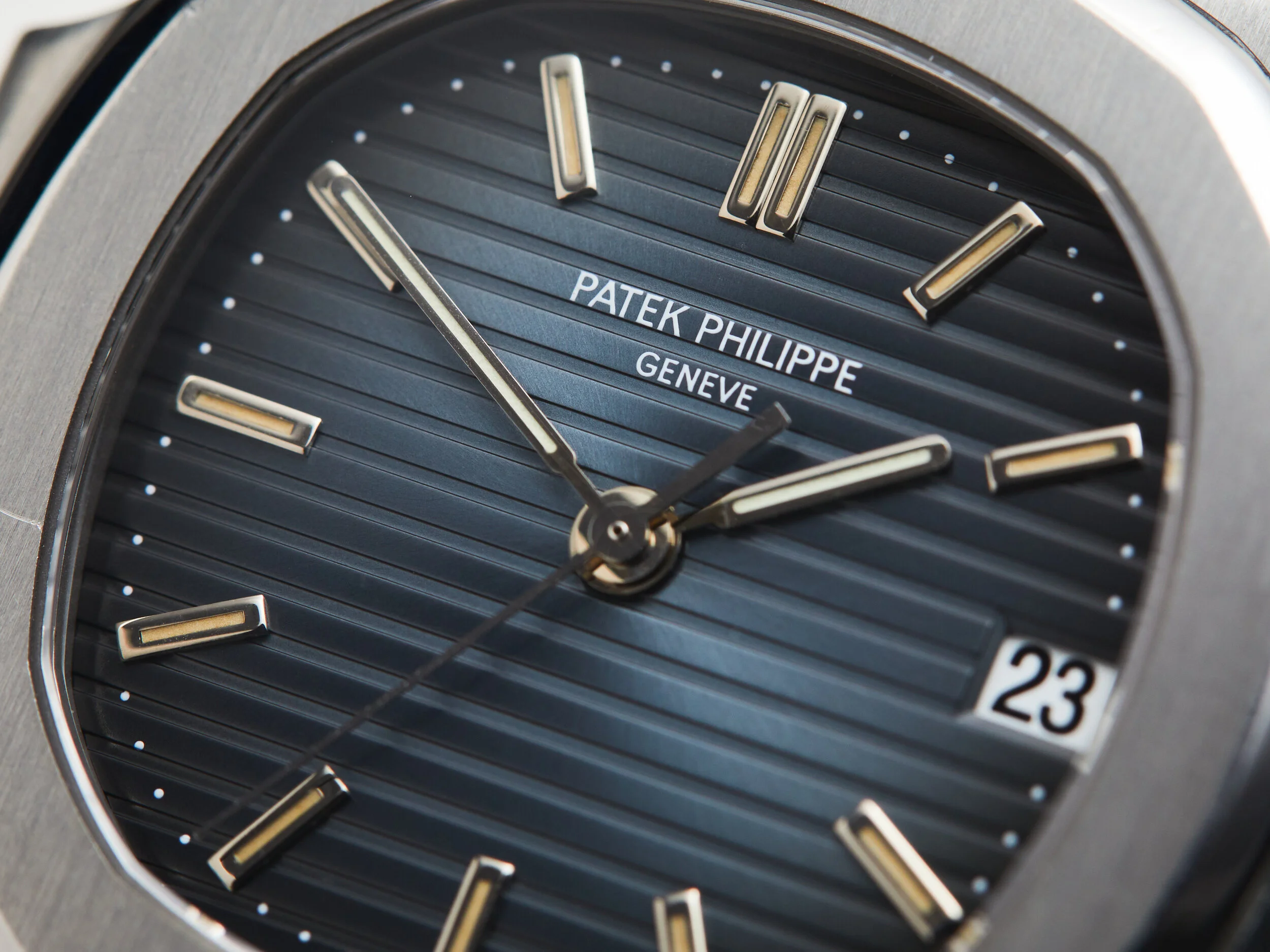
The Calatrava collection embodies Patek Philippe's dress watch philosophy. Clean, elegant, and timeless, these watches represent the pinnacle of understated luxury. The Grand Complications collection showcases the brand's technical mastery, with watches featuring multiple complications working in harmony.
Understanding Each Brand's Appeal
Audemars Piguet attracts those who appreciate bold design and aren't afraid to make a statement. The brand appeals to collectors who value innovation, contemporary aesthetics, and watches that serve as conversation starters. AP owners often appreciate the brand's willingness to experiment and push boundaries.
The Royal Oak, in particular, has developed a strong following among those who appreciate both luxury and sportiness. Its versatility—equally at home in casual and formal settings—makes it appealing to those seeking a single watch that can do it all.
Patek Philippe appeals to those who value tradition, craftsmanship, and understated elegance. Patek owners often appreciate the brand's heritage, technical mastery, and the idea of owning a watch that can be passed down through generations. The brand attracts collectors who value substance over style, though Patek watches are certainly stylish in their own refined way.
Many Patek Philippe owners appreciate the brand's exclusivity and the knowledge that they own a watch representing the pinnacle of traditional watchmaking. The brand's reputation for quality and their relatively limited production create a sense of exclusivity that appeals to discerning collectors.
Value Retention and Appreciation
Both brands have strong track records for value retention, though their market dynamics differ. Audemars Piguet's Royal Oak, particularly in steel and limited editions, has shown strong appreciation in recent years. The brand's limited production and strong brand recognition contribute to robust secondary market values.
Certain Royal Oak models, especially those with unique materials or complications, have become highly collectible. The brand's willingness to experiment with limited editions creates opportunities for collectors, though this can also lead to volatility in the secondary market.
Patek Philippe has perhaps the strongest track record for value appreciation in the watch industry. Vintage Patek Philippe watches regularly achieve record prices at auction, and even contemporary models often trade above retail in the secondary market. The brand's reputation, limited production, and focus on complications contribute to this strong performance.
However, it's important to remember that watches should be purchased primarily for enjoyment, not as investments. While both brands have shown strong value retention, market conditions can change, and past performance doesn't guarantee future results.
Your Choice
Ultimately, your choice comes down to how you connect with your watch. If modern flair and inventive design spark your imagination, Audemars Piguet gives you that edge.
If understated heritage and meticulous craftsmanship makes your heart skip a beat, Patek Philippe offers a classic, enduring presence.
Both approaches embody the pinnacle of Swiss watchmaking—deciding which philosophy best suits you is up to you.