

Selling
How to Sell a Luxury Watch in Melbourne
Sell outright, trade toward another piece, or consign. Compare your options and learn how to prepare for an appraisal.
By The Swiss Emporium team5 min read

If you own a luxury watch you no longer wear, you have more options than most people realise. In Melbourne you can sell it outright, trade it toward something else, or consign it so a specialist finds the right buyer on your behalf.
Each route suits a different goal, and the best choice depends on how quickly you want to be paid and how much you want to maximise the result.
The three ways to move a watch
1. Sell outright
An outright sale is the simplest path. A dealer inspects the watch, makes an offer, and you are paid once you accept. It suits you if you want a fast, certain outcome and do not want to wait for a buyer. The trade-off is that a dealer needs room to resell the watch, so the price reflects that.
2. Trade it toward another watch
If you already know what you want next, trading lets you put the value of your current watch straight toward it. There is no gap between selling and buying, and no need to find a separate buyer. It is often the neatest option for collectors who rotate pieces through their collection.
3. Consign
With consignment, the watch stays yours until it sells. A specialist lists it, advises on a realistic price, deals with enquiries and handles the sale. You agree the price and terms before anything is listed. It usually takes longer than an outright sale, but it can suit rarer or more desirable pieces where patience is rewarded.

What affects what your watch is worth
-
Brand, model and reference
Specific references can be worth very different amounts even within the same model line.
-
Condition
Light wear is expected. Deep scratches, dents and heavily polished cases reduce desirability.
-
Originality
Original dial, hands, bezel and bracelet matter. Replacement parts can lower value.
-
Completeness
Original box, papers, tags and manuals help. We cover this in detail in our guide to box and papers.
-
Service history
Evidence of regular, competent servicing reassures buyers.
-
Market demand
Prices move. A watch that was quiet a few years ago can become sought after, and the reverse is also true.
A good appraisal should explain how the figure was reached, not just state it.
How to prepare before you ask for a valuation
- Gather everything you have: box, papers, receipts, service records, extra links and straps.
- Note the reference number and serial number. You can usually find the reference between the lugs or on the case back, depending on the brand.
- Take clear photos of the dial, case sides, case back and clasp in good light.
- Be honest about faults. A stopped second hand or a loose bracelet link is better disclosed up front.
- Do not polish the watch yourself. Amateur polishing can remove metal and reduce value.
What happens at an appraisal
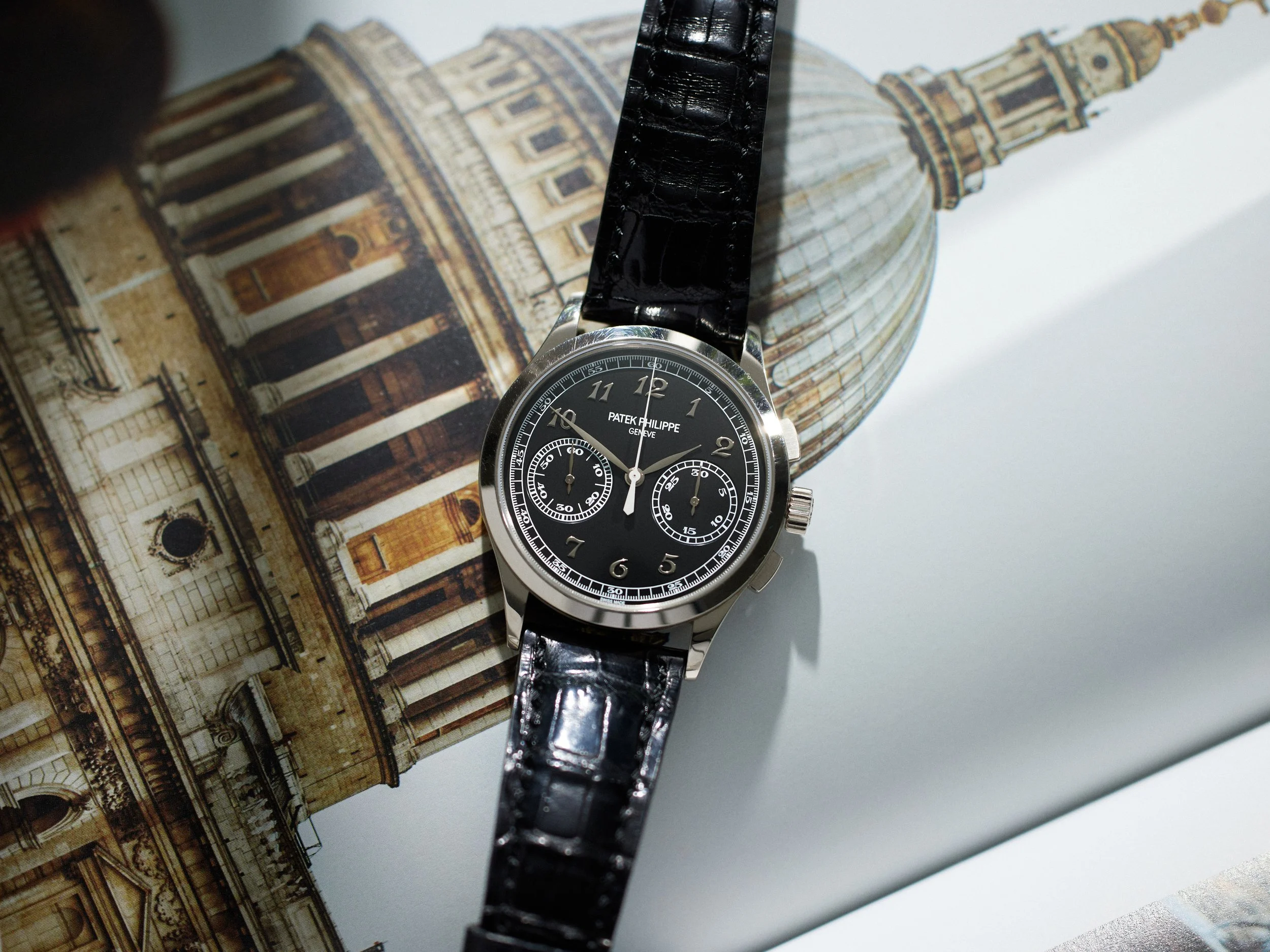
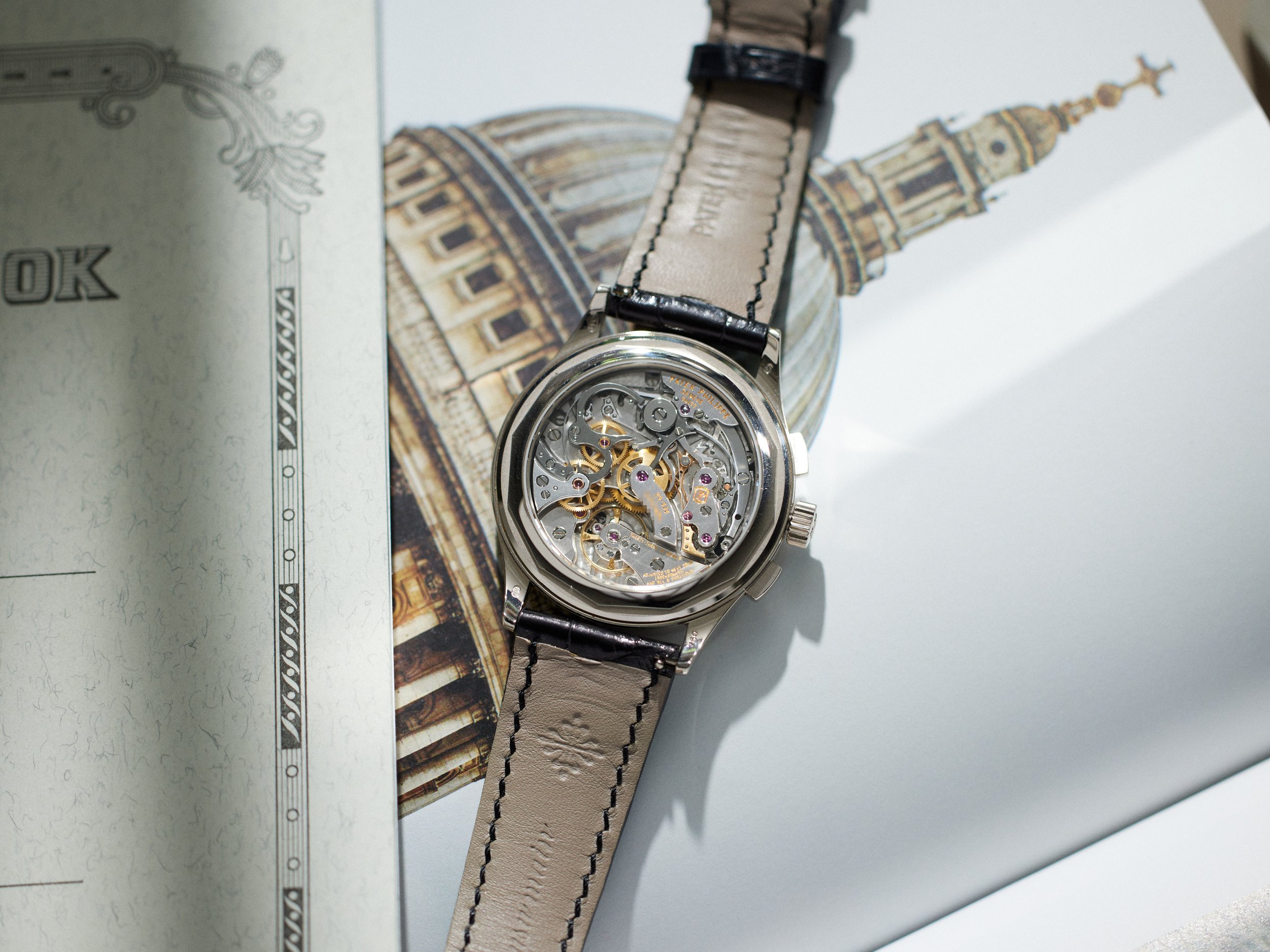
A specialist will check authenticity, look closely at the case, dial and movement, review your paperwork and compare the watch against current market activity. A good appraisal should explain how the figure was reached, not just state it. You are free to take that information away and decide in your own time.
Which option is right for you?
Sell outright
You want certainty and speed.
Trade
You have your next watch in mind.
Consign
You own something rare or in particularly good condition and can wait. Consider consigning, including for a live auction.
Frequently asked questions
Do I need the original box and papers to sell?
No. Many watches sell without them. A full set generally helps, but a good watch with a clear history can still sell well.
Can I get a valuation without committing?
Yes. Appraisal is an information-gathering step. You can compare options before deciding.
Is it better to sell privately?
Private sales can work, but they bring risks such as payment fraud, time wasting and disputes about authenticity. Many owners prefer to deal with an established specialist for peace of mind.
More from the Journal

Buying a Pre-Owned Rolex: A Practical Checklist
Paperwork, case, dial, bracelet, movement and provenance.

How Often Should You Service a Luxury Watch?
The signs your watch needs attention and what a full service includes.

Box and Papers: Do They Affect a Watch's Value?
What "full set" means and what to do if you have lost the paperwork.